
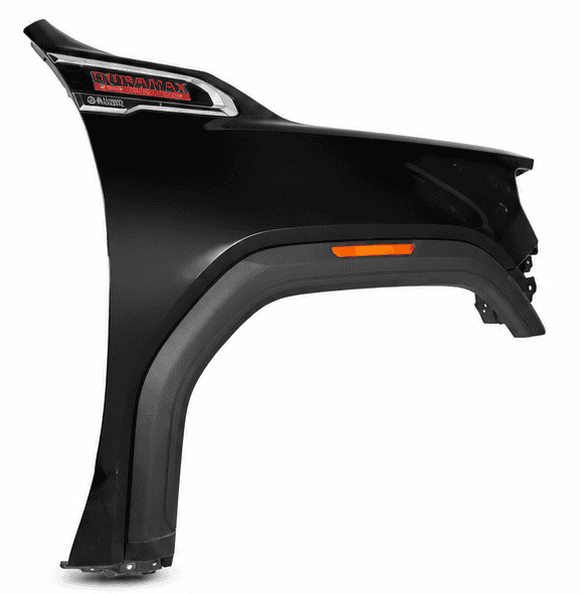
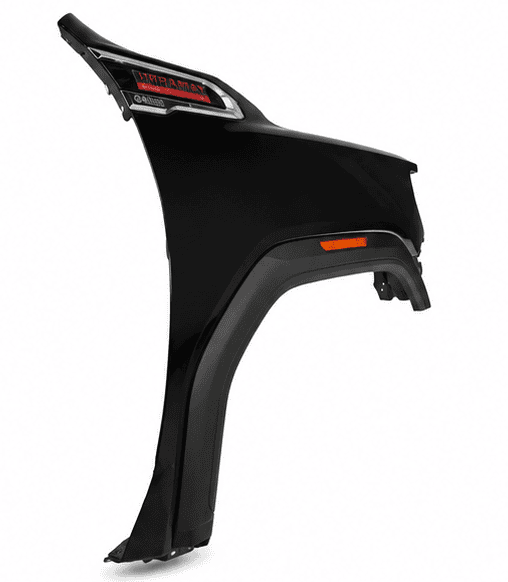
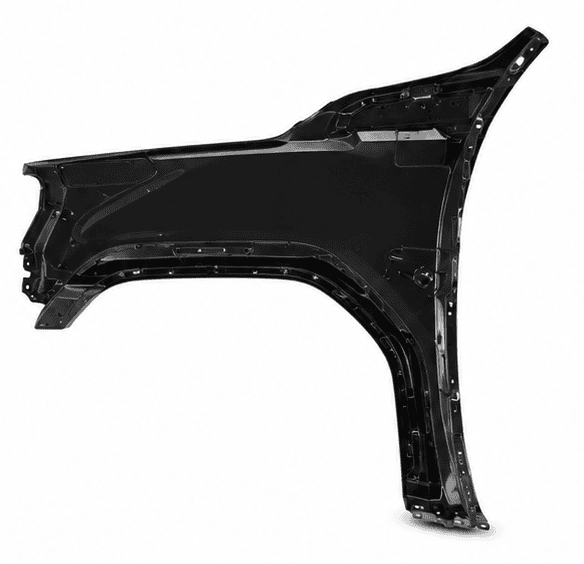
GMC Truck Fenders: Complete Spare Part Review
Summary
GMC Truck Fenders are important exterior body components that are designed to protect the wheel areas, support the truck’s overall body structure, and improve its visual appearance. On GMC pickups, properly fitted fenders are commonly valued for their ability to provide coverage against road debris, mud, water, and minor impacts.
For replacement or restoration projects, the correct GMC truck fender is generally selected according to the truck’s year, model, cab configuration, bed style, and mounting specifications. When a quality replacement is installed, the original body appearance can be restored while additional protection can be provided around the wheel opening.
What is GMC Truck Fenders
GMC Truck Fenders are body panels positioned around the front or rear wheel areas of compatible GMC trucks. They are typically manufactured from stamped steel, aluminum, or other automotive-grade materials, depending on the application.
A fender is designed to cover the area surrounding the wheel while helping to prevent road debris, dirt, mud, and water from being thrown onto other body components. It also contributes to the truck’s exterior styling and can be an important part of a complete body restoration.
Common replacement considerations include:
- Truck model and model year
- Driver or passenger side
- Front or rear application
- Cab configuration
- Factory-style mounting points
- Wheel-opening dimensions
- Material and finish
- Compatibility with existing body panels
GMC Truck Fenders Information
The quality and construction of GMC truck fenders can vary considerably between original-equipment, aftermarket, used, and reproduction parts. A suitable replacement is generally expected to provide accurate dimensions and mounting locations so that excessive modification is avoided during installation.
Fenders may be supplied with different levels of preparation. Some are sold as bare metal panels, while others may be primed or finished for painting. Before installation, the panel should be checked for correct fitment, surface condition, mounting-hole alignment, and compatibility with adjacent body components.
Genetics
The basic construction of a GMC truck fender is determined by the vehicle platform for which it was designed. Factory-style contours, wheel-opening shapes, mounting locations, and panel dimensions are generally reproduced according to the applicable GMC truck generation.
Steel construction has traditionally been used on many truck body panels because durability and repairability are provided. Depending on the specific GMC application, alternative materials may also be used.
Style
GMC Truck Fenders are available in styles intended to match different generations and configurations of GMC pickups. Factory-style replacement panels are commonly selected when an original appearance is desired.
More customized fenders may be used on modified trucks, restorations, off-road builds, and show vehicles. The selected style should be matched carefully with the hood, grille, doors, bumper, and other surrounding panels.
Colors
Most replacement GMC truck fenders are not necessarily delivered in the final exterior color of the truck. Bare-metal and primered panels are commonly prepared for professional or DIY painting.
The final color can be matched to the truck’s original paint code when restoration accuracy is desired. Proper preparation, primer selection, and paint application are important because surface imperfections can otherwise become visible after finishing.
Appearance
The appearance of a GMC truck can be significantly influenced by the condition of its fenders. Straight, properly aligned panels can provide a cleaner body line and help restore the factory-style appearance.
A damaged, rusted, or poorly aligned fender can make an otherwise well-maintained truck appear neglected. For this reason, GMC truck fender replacement is often considered during exterior restoration and collision repair.
GMC Truck Fenders Price Compared
The price of GMC Truck Fenders can vary based on the truck’s year, model, material, manufacturer, condition, and whether the panel is original equipment or aftermarket.
In general, the cost may be influenced by:
- New aftermarket replacement panels
- Original-equipment replacement panels
- Used or salvaged fenders
- Reproduction restoration panels
- Primed versus unpainted panels
- Specialized or performance-oriented body panels
- Shipping and oversized-part fees
- Professional paint and installation costs
A lower purchase price should not automatically be considered the best value. Fitment, panel quality, corrosion resistance, finish preparation, and installation requirements should also be evaluated before a replacement is purchased.
Uses of GMC Truck Fenders
GMC Truck Fenders are used for several important purposes beyond exterior styling. Their primary functions include protecting the wheel area and helping maintain the truck’s bodywork.
Common uses include:
- Collision repair – A damaged fender can be replaced during accident repairs.
- Rust restoration – Corroded panels can be removed and replaced.
- Truck restoration – Original body lines can be recreated on older GMC pickups.
- Appearance improvement – Worn or damaged exterior panels can be renewed.
- Daily-driver protection – Wheel-area coverage can be maintained during regular road use.
- Custom builds – Modified fenders can be incorporated into specialized truck projects.
Effects of GMC Truck Fenders
The effects of properly installed GMC truck fenders are generally seen in both vehicle protection and exterior appearance. When a replacement panel is correctly fitted, the wheel area can be covered properly and the surrounding body lines can be maintained.
However, the quality of the panel and installation can have a direct effect on the final result.
Positive Effects
Several benefits can be provided by a properly selected and installed GMC truck fender:
- Improved exterior appearance
- Better protection around the wheel area
- Restoration of damaged bodywork
- Reduced exposure of surrounding components to road debris
- Improved body-panel alignment
- Support for corrosion-repair projects
- Preservation of a factory-style appearance
- Increased visual appeal during resale or restoration
Side Effects
Potential disadvantages can be experienced when an unsuitable or poorly manufactured fender is installed. These issues are generally associated with fitment or installation rather than with the concept of the fender itself.
Possible problems include:
- Misaligned body gaps
- Difficulty matching adjacent panels
- Additional bodywork requirements
- Premature corrosion when poor-quality materials are used
- Paint-matching difficulties
- Increased installation time
- Additional costs when modifications are required
For these reasons, compatibility should be verified before a GMC truck fender replacement is purchased.
GMC Truck Fenders Related Parts
A fender is normally installed as part of a larger exterior body system. Several related components may need to be inspected or replaced during a fender repair.
Common related parts include:
- GMC truck fender liners
- Inner fender panels
- Fender brackets
- Fender bolts and mounting hardware
- Hood panels
- Front grilles
- Front bumpers
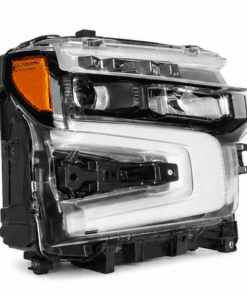
- Headlight assemblies
- Wheel arches and trim
- Splash guards
- Door panels
- Rocker panels
During restoration or collision repair, surrounding components should be inspected so that alignment can be achieved across the entire body assembly.
Conclusion
GMC Truck Fenders are essential exterior panels through which wheel-area protection, body alignment, and truck styling are maintained. Whether a damaged panel is being replaced, rust is being removed, or an older GMC pickup is being restored, the correct fender can make a substantial difference in the finished result.
For the best outcome, GMC Truck Fenders should be selected according to the exact truck year, model, side, body configuration, and mounting requirements. Quality, fitment, material, finish, and installation should all be considered rather than price alone. When the appropriate replacement is installed correctly, a cleaner appearance and dependable wheel-area coverage can be restored.
Reviews
There are no reviews yet.