Ford Parts
Summary
Ford Parts are widely used across the United States for vehicle maintenance, repairs, restoration, and customization. Components are available for popular Ford cars, trucks, and SUVs, including models such as the F-150, F-250, Mustang, Explorer, Escape, and Bronco. When the appropriate part is selected, reliable fitment, functionality, and a factory-style appearance can be supported.
What is Ford Parts
These parts refers to the various components manufactured, supplied, or designed for Ford vehicles. These include mechanical, electrical, interior, exterior, suspension, drivetrain, and body components.
Ford parts can generally be obtained as OEM, aftermarket, or used parts. Selection is normally based on the vehicle’s year, model, trim, engine, drivetrain, and specific equipment.
Ford Parts Information
A broad range of Ford Parts is available for different generations and vehicle platforms. Parts may be used to replace damaged components, restore older vehicles, maintain daily drivers, or customize trucks and SUVs.
Before purchasing a replacement, the vehicle identification number (VIN), part number, model year, and configuration should be checked whenever possible. This can help reduce compatibility problems.
Genetics
The “genetics” of these parts can be associated with the engineering and design characteristics of the Ford vehicles for which they are intended. OEM parts are developed around factory specifications, while aftermarket components are produced by independent manufacturers to serve similar applications.
Compatibility can be influenced by:
- Ford model and generation
- Model year
- Engine type
- Transmission
- Drivetrain
- Trim level
- Factory options
- Original part number
Style
The style of these parts varies according to the vehicle and component. Truck parts are often designed with a rugged appearance, while Mustang and other passenger-vehicle components may feature sportier styling.
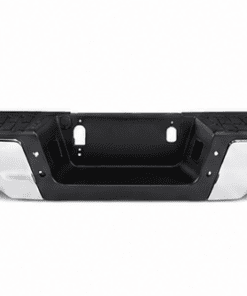
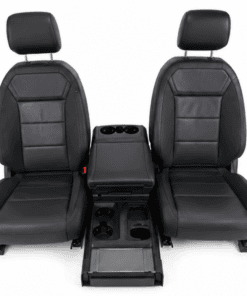
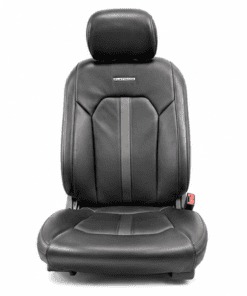
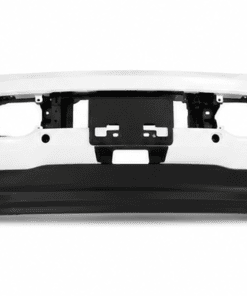
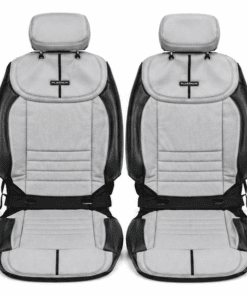
Interior trim, grilles, bumpers, wheels, seats, mirrors, and body panels can be selected to preserve the original appearance or create a customized look.
Colors
These parts are offered in a variety of colors and finishes depending on the component. Exterior body parts may be available in factory-matched colors, while replacement panels may require painting to achieve an exact match.
Common finishes include:
- Black
- White
- Silver
- Gray
- Blue
- Red
- Chrome
- Gloss
- Matte
For painted body components, the vehicle’s original paint code should be checked before purchasing a color-matched part.
Appearance
The appearance of these parts is generally determined by the vehicle generation, model, and intended application. OEM components are normally designed to maintain the factory appearance, while aftermarket products may introduce updated or customized styling.
For restoration projects, matching the original shape, finish, texture, and proportions can help maintain an authentic appearance.
Ford Parts Price Compared
The price of these parts can vary significantly according to the component, brand, condition, availability, and vehicle application. New OEM parts are often priced higher than used or aftermarket alternatives.
Used Ford parts can provide a practical option for older vehicles, particularly when original components are difficult to find. Aftermarket parts can also provide competitive pricing, although quality and compatibility should be carefully reviewed.
Price can be influenced by:
- OEM or aftermarket construction
- New or used condition
- Part availability
- Vehicle age
- Brand reputation
- Material quality
- Part rarity
- Shipping costs
- Installation requirements
Uses of Ford Parts
These parts are used for many maintenance, repair, restoration, and customization applications. Replacement components can be installed when original equipment has become worn, damaged, corroded, or mechanically unreliable.
Common uses include:
- Routine vehicle maintenance
- Mechanical repairs
- Collision repairs
- Interior restoration
- Exterior restoration
- Engine repairs
- Transmission repairs
- Suspension replacement
- Brake system repairs
- Electrical repairs
- Truck customization
- Classic Ford restoration
Effects of Ford Parts
The effects of these parts depend largely on their quality, compatibility, and installation. A correctly selected component can help restore the intended function and appearance of a Ford vehicle.
Conversely, an incorrect or defective component may result in poor fitment, premature wear, or additional repair requirements. Proper part identification should therefore be performed before installation.
Positive Effects
Several positive effects can be achieved when suitable these parts are used:
- Vehicle functionality can be restored.
- Damaged components can be replaced.
- Exterior appearance can be improved.
- Interior condition can be refreshed.
- Vehicle comfort may be improved.
- Original specifications can be maintained.
- Older Ford vehicles can be preserved.
- Restoration projects can be completed more effectively.
- Maintenance costs may be controlled through suitable replacement options.
Side Effects
These Parts themselves are not normally associated with side effects. However, problems can occur when incompatible, defective, low-quality, or incorrectly installed parts are used.
Potential issues may include:
- Improper fitment
- Unusual noise or vibration
- Premature component wear
- Electrical faults
- Reduced performance
- Additional repair costs
- Safety concerns involving critical systems
Professional installation should be considered for brakes, steering, suspension, engine, and other safety-critical components.
Ford Parts Related Parts
Many these parts operate as interconnected vehicle systems, meaning related components may need to be inspected during repairs or replacement.
Common related parts include:
- Ford F-150 Parts
- Ford F-250 Parts
- Ford Mustang Parts
- Ford Bronco Parts
- Ford Explorer Parts
- Ford engine parts
- Ford transmission parts
- Ford suspension components
- Ford brake components
- Ford body panels
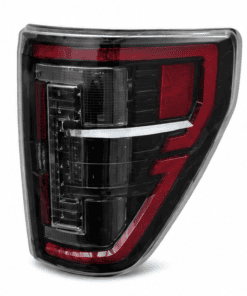
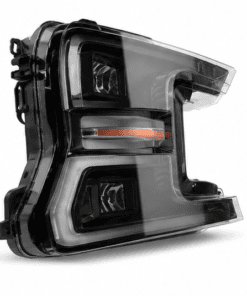
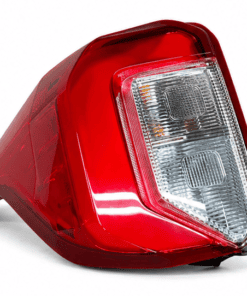
- Ford headlights and tail lights
- Ford interior parts
- Ford wheels
- Ford electrical components
Checking surrounding components can help ensure that the replacement is properly matched to the vehicle’s overall system.
Conclusion
These Parts are widely relied upon in the United States for maintenance, repair, restoration, and vehicle customization. A broad selection of OEM, aftermarket, and used components is available for Ford cars, trucks, and SUVs.
The most suitable part should be selected by verifying the vehicle year, model, trim, engine, VIN, and part number whenever possible. With proper selection and installation, Ford parts can help maintain vehicle functionality, appearance, reliability, and long-term usability.
Showing 1–12 of 40 results