
Summary
The Ford F150 Transmission is designed to transfer engine power to the wheels while providing smooth acceleration, efficient cruising, and dependable performance. Across different F-150 generations, transmission configurations have varied by engine, model year, drivetrain, and trim level. When properly maintained, a suitable transmission can be regarded as an important contributor to the truck’s overall durability and driving performance.
What is Ford F150 Transmission?
The Ford F150 Transmission is the mechanical system through which power produced by the engine is transferred to the drivetrain and wheels. Depending on the model year and powertrain, an F-150 may be equipped with different automatic transmission designs.
The transmission is responsible for selecting appropriate gear ratios as driving conditions change. Lower gears are generally used for stronger acceleration and towing, while higher gears are provided for efficient highway operation. Electronic controls are also used on many newer F-150 models to optimize shifting and responsiveness.
Ford F150 Transmission Information
Genetics
The transmission has been developed as an integral part of the F-150 powertrain rather than as an isolated component. Its specifications are influenced by the engine, model year, drivetrain, towing capacity, and transmission configuration.
Because multiple transmissions have been used throughout the F-150’s production history, compatibility should always be confirmed using the vehicle’s exact year, engine, VIN, and drivetrain information.
Style
A Ford F150 Transmission is generally engineered with a compact, heavy-duty construction intended for pickup-truck applications. Automatic configurations are commonly designed with electronically controlled shifting, multiple forward gears, and components intended to handle everyday driving as well as demanding workloads.
The overall design is focused more on mechanical function than appearance, with durability and power delivery being prioritized.
Colors
Transmission assemblies are not typically selected for their exterior color. Most units are housed beneath the vehicle and are finished in functional metallic, cast-aluminum, steel, or dark protective surfaces.
When replacement parts such as transmission housings, pans, or covers are purchased, their appearance can vary according to the manufacturer and finish.
Appearance
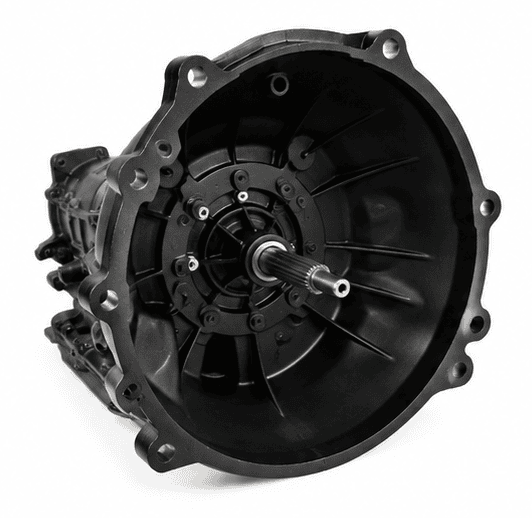
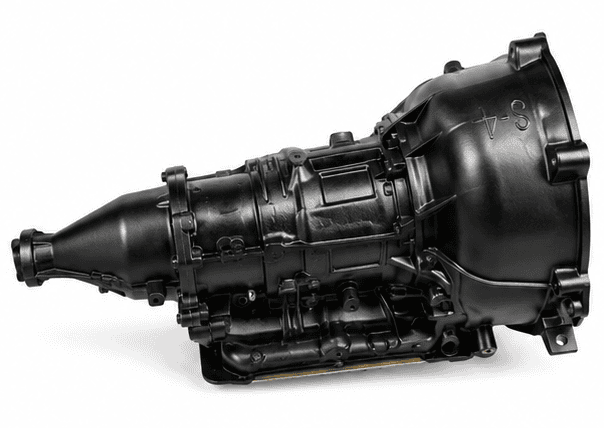
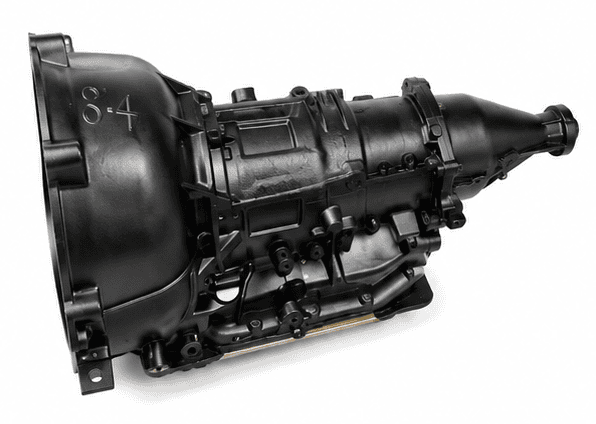
The Ford F150 Transmission is positioned beneath the vehicle and is connected to the engine and drivetrain. Its appearance is generally characterized by a metal housing, transmission pan, mounting points, electrical connectors, and associated lines or components.
Since the transmission remains largely concealed during normal operation, condition and compatibility are more important than cosmetic appearance.
Ford F150 Transmission Price Compared
The price of a Ford F150 Transmission can vary considerably depending on the model year, transmission type, condition, mileage, and source. A used transmission is generally less expensive than a remanufactured or new replacement.
Price comparisons should include more than the transmission itself. Labor, fluid, seals, gaskets, shipping, programming, and installation-related expenses may also be involved.
When comparing replacement units, attention should be given to:
- Model year compatibility
- Engine and drivetrain configuration
- Transmission identification or part number
- Used versus remanufactured condition
- Mileage and warranty coverage
- Installation requirements
- Shipping and core-charge policies
A lower purchase price should not automatically be considered the better value if reliability or compatibility is uncertain.
Uses of Ford F150 Transmission
The primary function of the Ford F150 Transmission is to manage and transfer engine power efficiently. Several important functions are provided:
- Power is transferred from the engine to the drivetrain.
- Appropriate gear ratios are selected for different driving conditions.
- Acceleration and highway cruising are supported.
- Towing and hauling performance can be assisted through suitable gearing.
- Reverse movement is provided.
- Engine speed is managed during changing road conditions.
- Fuel efficiency can be supported through higher cruising gears.
For work-oriented F-150 configurations, the transmission can be particularly important because consistent gear selection is required when carrying loads or towing trailers.
Effects of Ford F150 Transmission
The condition of the transmission can have a significant effect on the truck’s driving characteristics. A properly functioning unit can provide smooth gear changes and predictable power delivery, while a worn or improperly serviced transmission may produce noticeable performance problems.
Transmission condition can affect:
- Acceleration
- Towing capability
- Fuel economy
- Shift smoothness
- Driving comfort
- Drivetrain reliability
- Overall vehicle usability
Positive Effects
A properly maintained Ford F150 Transmission can provide several advantages:
- Smooth shifting can improve driving comfort.
- Effective power transfer can support strong acceleration.
- Appropriate gearing can improve towing and hauling performance.
- Efficient operation can help support fuel economy.
- Reliable gear selection can make everyday driving more predictable.
- Proper maintenance can help extend transmission service life.
For owners who regularly use an F-150 for work, a healthy transmission can be especially valuable because consistent power delivery is required under demanding conditions.
Side Effects
When transmission components become worn, damaged, contaminated, or improperly serviced, several symptoms may be experienced. These should not be ignored because continued operation can potentially increase repair costs.
Common warning signs can include:
- Delayed or harsh shifting
- Slipping between gears
- Unusual transmission noises
- Fluid leaks
- Shuddering during acceleration
- Difficulty engaging gears
- Warning lights
- Burning-fluid odors
Transmission symptoms can have multiple causes, so professional diagnosis is recommended before a complete transmission replacement is considered.
Ford F150 Transmission Related Parts
Several components work with the Ford F150 Transmission to complete the drivetrain system. Related parts can include:
- Transmission fluid
- Transmission filter
- Transmission pan and gasket
- Torque converter
- Driveshaft
- Transfer case on applicable four-wheel-drive models
- Transmission cooler and lines
- Shift solenoids
- Transmission control components
- Mounts and mounting hardware
- Seals and gaskets
These components should be inspected when transmission problems are being investigated. Replacing only the primary unit may not resolve an issue if another connected component is responsible.
Conclusion
The Ford F150 Transmission remains one of the most important components in the truck’s powertrain. Its ability to manage gear ratios and transfer engine power directly influences acceleration, towing, efficiency, and driving comfort.
For replacement purposes, compatibility should be verified carefully because transmission specifications differ among F-150 model years and powertrain configurations. With appropriate maintenance, correct fluid service, and timely attention to warning signs, a suitable Ford F150 Transmission can provide dependable performance for both everyday driving and demanding truck applications.
Reviews
There are no reviews yet.