
Summary
The Ford F150 Airbag is designed as a critical part of the truck’s supplemental restraint system (SRS), where additional protection is provided during certain collisions. When properly matched to the vehicle and maintained according to manufacturer requirements, an airbag system can be an important component of overall occupant safety. For Ford F-150 owners in the United States, correct fitment, model-year compatibility, and proper installation should be prioritized when an airbag replacement is considered.
What is Ford F150 Airbag
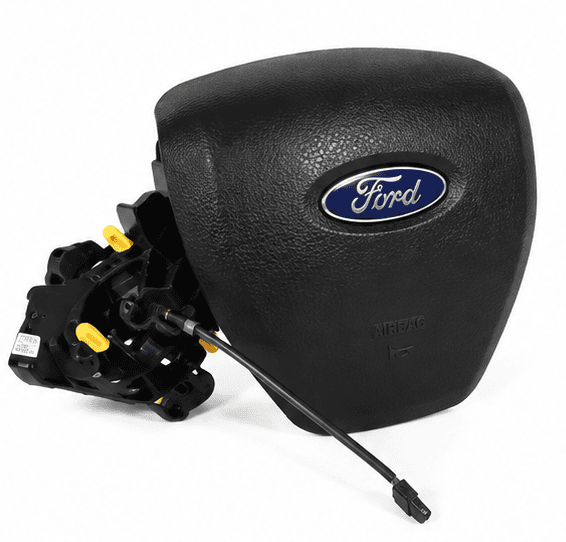
A Ford F150 Airbag is an inflatable occupant-restraint device integrated into the truck’s SRS. Depending on the F-150 configuration and model year, airbags can be positioned in the steering wheel, dashboard, seat areas, and other locations.
During a qualifying collision, sensors and the SRS control module can initiate airbag deployment. The airbag is intended to work alongside seat belts rather than replace them. Because airbags are safety-critical components, replacement and installation should be performed according to Ford service procedures and applicable U.S. safety requirements.
Ford F150 Airbag Information
Genetics
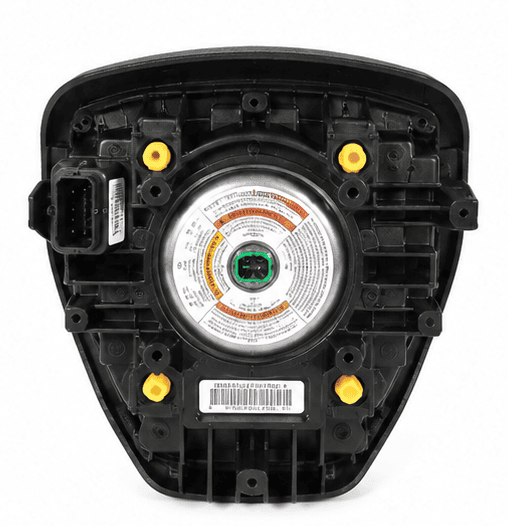
In automotive parts terminology, “genetics” can be understood as the design characteristics and engineering lineage of the component. The F-150 airbag system has been developed around the truck’s specific body structure, seating configuration, sensors, restraint modules, and model-year requirements.
Compatibility should therefore be verified using the exact Ford F-150 model year, trim, cab configuration, and part number rather than appearance alone.
Style
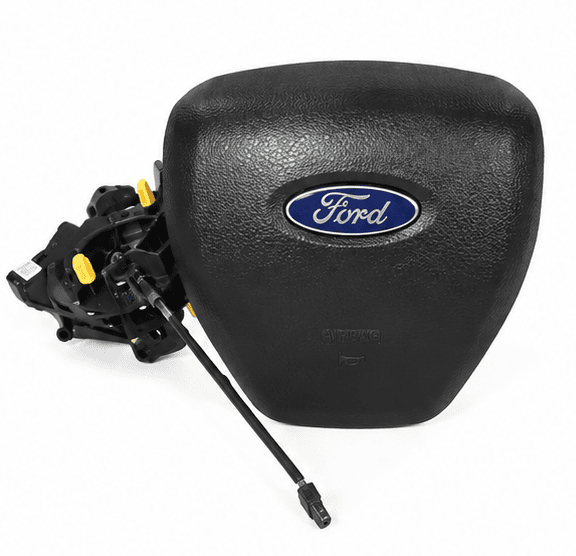
The style of a Ford F150 Airbag is generally determined by its installation location. Steering-wheel airbags are incorporated into the driver-side wheel assembly, while passenger airbags are integrated into the dashboard.
Replacement units are normally designed to maintain the original interior appearance while allowing the SRS to function as intended.
Colors
Airbag modules are usually concealed behind matching interior panels or covers. As a result, the visible color is generally determined by the surrounding steering wheel, dashboard, seat, or trim.
For replacement purposes, color matching should be considered alongside the correct part number and vehicle compatibility.
Appearance
The appearance of a Ford F150 Airbag varies according to its location and model year. Driver-side units are typically integrated into the steering-wheel center, while passenger-side units are hidden within the dashboard.
A properly installed replacement should sit flush with the surrounding factory components without unusual gaps, deformation, or warning signs.
Ford F150 Airbag Price Compared
The price of a Ford F150 Airbag can vary substantially across the U.S. market. Cost differences can be influenced by:
- F-150 model year
- Driver-side or passenger-side application
- Original-equipment versus aftermarket sourcing
- New versus used condition
- Specific airbag module and part number
- Availability and vehicle configuration
- Professional installation requirements
Because airbags are safety-critical parts, the lowest advertised price should not automatically be considered the best value. Correct compatibility, condition, certification, and installation should be evaluated before purchase.
Uses of Ford F150 Airbag
The primary use of the Ford F150 Airbag is to provide supplemental occupant protection during qualifying crashes. It is designed to work with the truck’s seat-belt system and other SRS components.
Common applications include:
- Supporting occupant protection during certain frontal or other qualifying impacts
- Providing supplemental cushioning for the driver or passenger
- Working with crash sensors and the SRS control module
- Forming part of the F-150’s integrated restraint system
- Replacing a deployed or damaged factory airbag when the correct replacement is specified
Effects of Ford F150 Airbag
A properly functioning Ford F150 Airbag system can contribute to occupant protection during an applicable collision. Its effectiveness depends on the entire restraint system, including seat belts, sensors, control modules, seating position, and vehicle condition.
Airbags are not intended to be tested or manually activated by vehicle owners. If an airbag warning light remains illuminated, professional diagnosis should be obtained.
Positive Effects
The potential benefits of a properly functioning airbag system include:
- Additional occupant protection during certain collisions
- Supplemental support to the seat-belt restraint system
- Integration with the F-150’s electronic safety systems
- Restoration of the intended SRS configuration after an appropriate replacement
- Preservation of the vehicle’s factory-designed restraint functionality when correctly installed
Side Effects
Airbag deployment is a forceful event and can itself cause injury, including abrasions, bruising, or other impact-related injuries. For this reason, occupants should always use seat belts and maintain the recommended seating position.
After deployment, the affected Ford F150 Airbag and potentially other SRS components may require replacement or inspection. An illuminated SRS warning light should not be ignored, as it can indicate a fault that could affect system operation.
Ford F150 Airbag Related Parts
Several components can be associated with the Ford F-150 airbag system, depending on the model year and configuration:
- Seat belts and pretensioners
- SRS control module
- Crash and impact sensors
- Steering-wheel components
- Passenger airbag module
- Seat-mounted airbag components
- SRS wiring and connectors
- Airbag clockspring or related steering-wheel electronics
- Instrument-panel components
- SRS warning indicator
Because these components can be electronically and mechanically interconnected, replacement of one airbag does not necessarily mean that the entire SRS has been restored. Appropriate diagnostic procedures should be followed after a collision or deployment.
Conclusion
The Ford F150 Airbag is an essential component of the truck’s supplemental restraint system and should be treated as a safety–critical replacement part. Its correct function depends heavily on proper compatibility, undamaged components, accurate installation, and a fully operational SRS.
For U.S. F-150 owners, the vehicle’s exact model year, configuration, and original part number should be verified before purchasing a replacement. Professional installation and SRS diagnosis are strongly recommended whenever an airbag has deployed, been damaged, or triggered a warning light.
Reviews
There are no reviews yet.