
Summary
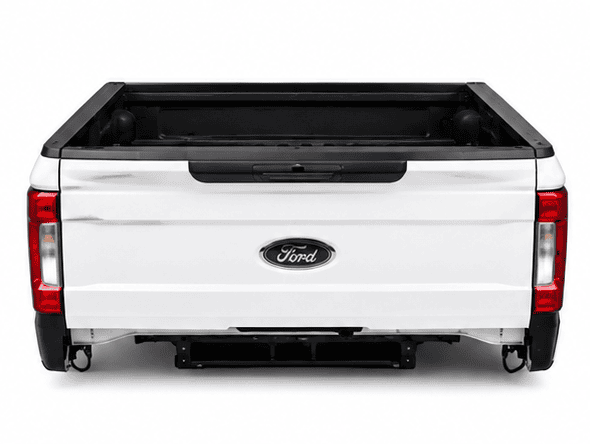
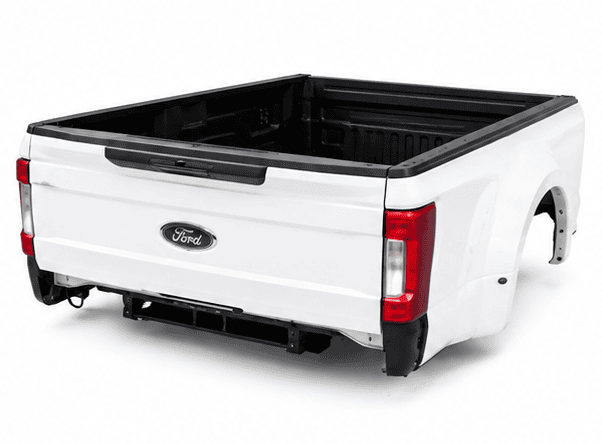
The Ford Truck Bed is designed to provide a practical, durable cargo area for Ford pickup trucks. It is commonly selected for work, hauling, recreation, and everyday transportation needs. Built around the dimensions and specifications of the applicable Ford truck, the bed is engineered to provide useful cargo capacity while maintaining a factory-style appearance.
For replacement projects, Ford Truck Beds can be used when an original bed has been damaged by collision, corrosion, heavy use, or age. When the correct model-year configuration is selected, a strong balance of functionality, appearance, and fitment can be achieved.
What is Ford Truck Bed?
A Ford Truck Bed is the rear cargo compartment installed on a Ford pickup truck. It is constructed to carry equipment, tools, materials, outdoor gear, and other loads while protecting the truck’s underlying structure.
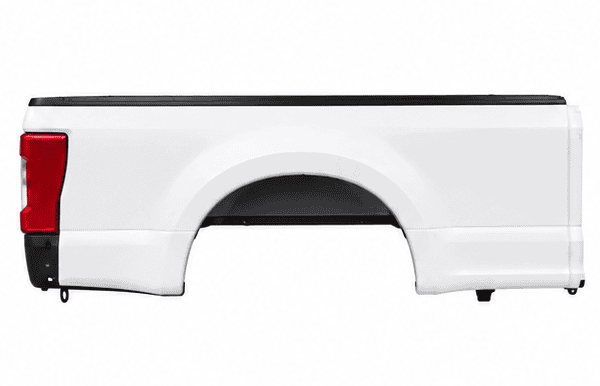
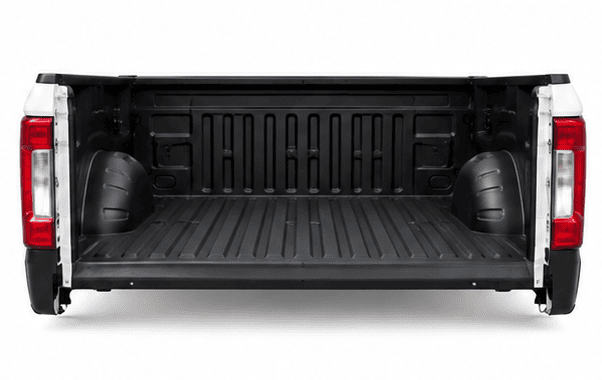
Depending on the Ford truck model and configuration, the bed may be available in different lengths, widths, materials, and designs. Factory-style replacement beds are generally developed around specific vehicle dimensions so that mounting points, tailgate placement, wheel openings, and related components can be properly aligned.
A typical Ford Truck Bed may include or accommodate:
- Bed panels and side walls
- Wheel-well openings
- Front bed panel
- Bed floor
- Tailgate mounting areas
- Bed rails
- Tie-down locations
- Tailgate and related hardware
Ford Truck Bed Information
The specifications of a Ford Truck Bed can vary significantly according to the truck’s model year, cab configuration, wheelbase, bed length, and trim level. Therefore, vehicle identification and exact fitment should be checked before a replacement is purchased.
Genetics
In automotive parts terminology, “genetics” can be understood as the fundamental design characteristics inherited from the Ford truck platform. The Ford Truck Beds is typically shaped around the vehicle’s chassis, wheel wells, suspension clearance, and overall body design.
Its structural characteristics are intended to support cargo while integrating with the rest of the pickup’s body. Replacement construction may be offered in steel, aluminum, or other automotive-grade materials, depending on the application.
Style
The Ford Truck Bedd is generally offered in a style that complements the original truck body. Standard, fleet, work-truck, off-road, and higher-trim configurations may have different exterior details and equipment.
The bed style may be influenced by:
- Model year
- Truck series
- Bed length
- Cab configuration
- Trim level
- Factory equipment
- Two-wheel-drive or four-wheel-drive configuration
A factory-matched style is often preferred when an original appearance is being restored.
Colors
A Ford Truck Bed may be supplied in a range of finishes. Replacement panels are frequently sold primed or prepared for painting rather than already matched to the truck’s exact exterior color.
When color matching is required, the vehicle’s original paint code should be identified. Professional preparation and refinishing can then be used to achieve a closer match with the existing body.
Appearance
The appearance of a Ford Truck Bed can have a noticeable effect on the overall presentation of a pickup. Straight body lines, properly aligned panels, clean bed rails, and a correctly fitted tailgate can help restore a damaged truck’s original appearance.
A properly installed replacement bed should appear integrated with the cab and rear bodywork rather than looking like an aftermarket addition.
Ford Truck Bed Price Compared
The price of a Ford Truck Bed can vary considerably across the U.S. market. Cost is affected by the truck’s model year, bed length, material, condition, configuration, included components, and whether the bed is new, used, refurbished, or replacement-grade.
Generally, the following factors influence the total cost:
- Material: Steel and aluminum constructions can have different pricing.
- Condition: Used beds may cost less but can require additional repairs.
- Configuration: Specialty or less-common configurations can be more expensive.
- Finish: Primed or painted beds can have different costs.
- Shipping: Large truck-body components can incur significant freight charges.
- Installation: Labor and related hardware can increase the final project cost.
Because prices change by supplier and vehicle application, the correct Ford Truck Bedd should be compared by exact fitment rather than price alone.
Uses of Ford Truck Bed
A Truck Bed is primarily used for transporting cargo. Its open design allows bulky items to be loaded more easily than into a conventional passenger vehicle.
Common uses include:
- Carrying construction materials
- Transporting landscaping equipment
- Hauling tools and work equipment
- Moving recreational equipment
- Carrying camping supplies
- Transporting household items
- Supporting agricultural and farm-related work
- General personal and commercial hauling
For contractors, tradespeople, outdoor enthusiasts, and everyday truck owners, the bed can provide valuable additional cargo space.
Effects of Ford Truck Bed
The condition and configuration of Ford Truck Beds can affect the truck’s practicality, appearance, and usability. A damaged bed may reduce cargo functionality and negatively affect the vehicle’s exterior presentation.
A properly fitted replacement can restore much of the truck’s intended utility. However, installation quality and compatibility remain important because structural misalignment or unsuitable components can create additional problems.
Positive Effects
Several benefits can be provided when a suitable Ford Truck Bed is correctly installed:
- Cargo-carrying capability can be restored.
- Damaged exterior bodywork can be replaced.
- The truck’s appearance can be improved.
- Factory-style body alignment can be maintained.
- Work and hauling activities can become more convenient.
- Protective bed accessories can be installed when compatible.
- The overall usability of the pickup can be improved.
Side Effects
Potential disadvantages may be experienced when the wrong replacement or an unsuitable used bed is selected.
These can include:
- Fitment problems
- Paint-color differences
- Existing dents or corrosion
- Additional installation costs
- Missing hardware
- Compatibility issues with bed accessories
- Freight or transportation expenses
Careful inspection and Ford Truck Bed fitment verification are therefore recommended before installation.
Ford Truck Bed Related Parts
A Ford Truck Bed works together with several surrounding and supporting components. During replacement, these parts should also be inspected because damage to one component may have affected others.
Related parts can include:
- Ford Tailgate
- Bed mounting hardware
- Bed rails
- Tailgate hinges and latches
- Tailgate cables
- Bed liners
- Bed caps
- Tie-down anchors
- Rear bumper
- Rear lighting components
- Wheel-well liners
- Fuel-filler components
- Trailer-related equipment
Replacing damaged supporting components at the same time can help ensure a cleaner and more reliable installation.
Conclusion
The Ford Truck Beds remains an important component of a Ford pickup, combining cargo utility with a significant role in the vehicle’s overall appearance. For damaged or severely worn trucks, a properly matched replacement can restore practical hauling capability and improve exterior condition.
Before purchasing, the truck’s model year, series, cab configuration, bed length, material, and exact fitment should be verified. With appropriate selection and professional installation, a replacement Ford Truck Beds can provide a durable solution for work, recreation, and everyday hauling across the United States.
Reviews
There are no reviews yet.